
The first serious snow rarely arrives on a convenient day. It shows up overnight, or while you're at work, or on the morning you forgot to move the car. By then the ice melt is gone from the shelves, the plow contractor has stopped answering the phone, and someone at the bottom of the hill is already spinning their tires. An afternoon of preparation in late fall prevents most of that.
Here's a checklist for The Glen and the surrounding streets. It's built to be done in pieces — an hour outside, an hour in the basement, half an hour in the car.
Know How Plowing Actually Works on Your Street
Start with the municipality, not the neighborhood rumor mill. Most towns and boroughs plow by priority: main roads, hills, emergency routes and bus routes first, then residential streets, with cul-de-sacs, alleys and dead ends usually last. That's the general pattern, but the details differ from place to place, and the details are what matter when you're waiting for your street at nine o'clock at night.
Call your public works office or check the town website before the season starts, and get answers to these questions:
- Which streets are on the priority route list, and roughly how long after a storm do residential streets get cleared?
- Is there a winter parking ban? Many towns prohibit street parking once snow reaches a certain depth so plows can clear curb to curb — and some ticket or tow.
- What's the rule on shoveling snow into the street? In most places it isn't allowed, because it undoes the plow's work and creates a hazard.
- Who do you call about a downed tree, a blocked storm drain, or a street that was missed?
One more thing worth knowing: if you live on a private road or in a condo or association development, the town probably doesn't plow your street at all. That work belongs to the association or to the homeowners collectively. If nobody has confirmed the arrangement in writing, do it now — a shared driveway dispute in February is miserable.
Your Sidewalk, Your Shovel, Your Responsibility
Many municipalities require homeowners and businesses to clear sidewalks within a set number of hours after snow stops falling, often 12 or 24. The number varies by town, so look it up once and write it down. Beyond the rule, cleared sidewalks are how kids get to the bus stop and how neighbors with walkers and wheelchairs get anywhere at all.
A shovel sequence that saves your back
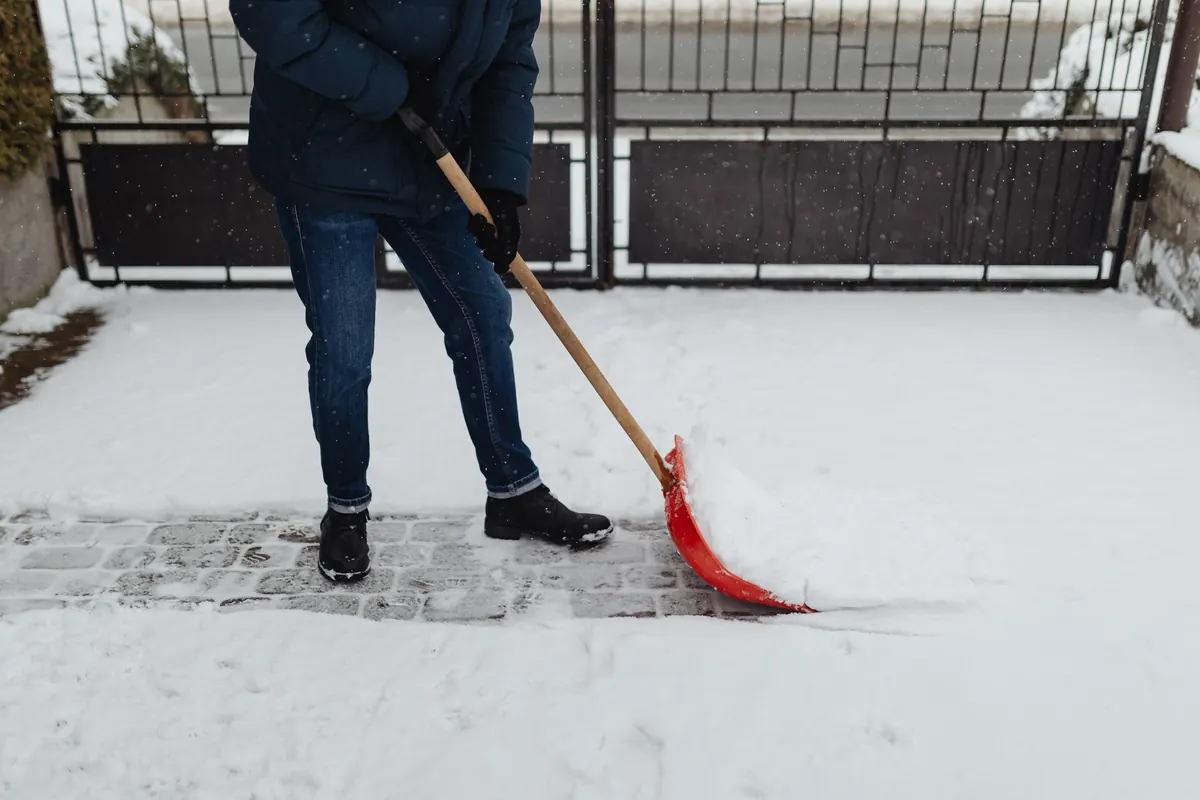
- Shovel early and often. Two rounds of two inches is far easier than one round of four, and it keeps the bottom layer from freezing into a sheet of ice.
- Clear the sidewalk before the driveway. It's the part others depend on, and the part you're most likely to skip when you're tired.
- Do the end of the driveway last. That's where the plow pushes a ridge of heavy, compacted snow. Clear it first and you'll do it twice.
- Break up that ridge while it's fresh. Once it refreezes overnight, it's a chisel job.
- Use salt or sand only where you need traction — steps, walkway, the slope of the driveway. More isn't better, and some products damage concrete, plants and paws. Read the label.
While you're out there, take two extra minutes. Clear the fire hydrant nearest your house; a buried hydrant costs firefighters time they don't have. Knock the snow off basement window wells so they don't fill with meltwater. And check on the neighbor who lives alone — a quick knock and a cleared walkway mean more than a text.
Build a Home Kit Around Your Actual Household
Generic checklists are fine until you notice they don't cover the baby, the dog, or the medication that needs refrigeration. Start with the basics and adapt:
- Two to three days of water and food that doesn't need cooking
- Flashlights and extra batteries — not candles, which are a fire risk during an outage
- A battery or hand-crank radio, plus a phone battery bank kept charged
- First aid kit, and a week of any prescription medication if your insurance allows early refills
- Ice melt or sand, a sturdy shovel, and a spare scraper for the car
- Cash in small bills, since card readers and ATMs may be down
- Warm blankets, sleeping bags, and a plan to heat one room if the furnace quits
If anyone in the house relies on powered medical equipment, talk with their care team and your utility about what to do during an outage. Many utilities keep a priority list for customers with medical needs. That's a conversation to have with a professional, not a guess made at midnight.
Getting the Car Ready — and Keeping It on the Road
Do the car work on a dry, mild day. You'll be glad you did.
Pre-storm car check
- Tires: adequate tread and correct pressure. Pressure drops in cold weather, so check when the tires are cold.
- Fluids: washer fluid rated for freezing temperatures, and a full tank of gas.
- Battery: if it's sluggish on a normal morning, it will fail on a cold one. Have it tested.
- Emergency bag in the trunk: blanket, gloves, hat, boots, flashlight, jumper cables, small shovel, a bag of sand or non-clumping kitty litter for traction, snacks, and a phone cable.
Driving on snow and ice
Clear the whole car, not just the windshield. Snow sliding off the roof can blind you or the driver behind you, and in many places it's a ticketable offense. Then slow down and stay slow. Give yourself two or three times the following distance you'd use on dry pavement, and skip cruise control entirely. Brake, steer and accelerate gently, one input at a time. If you start to slide, look where you want the car to go and steer there, and ease off the gas rather than slamming the brakes. On hills, keep steady momentum instead of stopping and restarting. If conditions are bad enough that you're tense the whole way, the honest answer is to stay home.
Emergency Contacts, Written Down
Phones die. Write these on paper and stick the list on the fridge: 911 for emergencies; your police department's non-emergency line; your electric and gas utilities' outage numbers; your plow contractor or snow removal service; and a neighbor who's usually home. Add a vet and a pediatrician if you have either.
Then make two family decisions in advance. Pick one out-of-area contact everyone checks in with if local lines are jammed. And decide where you'd go if the heat were out for two days — a relative's house, a hotel, a warming center your town opens during extended outages. Knowing the answer before you need it turns a crisis into an inconvenience.
The Weekend That Pays You Back
None of this takes long. Call public works and note the parking rules. Buy ice melt before the first forecast, not after. Test the flashlights. Put the car bag together. Shovel the hydrant. Then, when the first real storm rolls in, you can watch it from the window with a mug of something hot instead of digging through the garage for a shovel that isn't there.